Evening Flow Patterns: How Lakeside Positioning Shapes Live Game Availability, Member Event Timing, and Extended Dining Windows
Sofia Foster · Sep 27, 2026
Evening Flow Patterns: How Lakeside Positioning Shapes Live Game Availability, Member Event Timing, and Extended Dining Windows
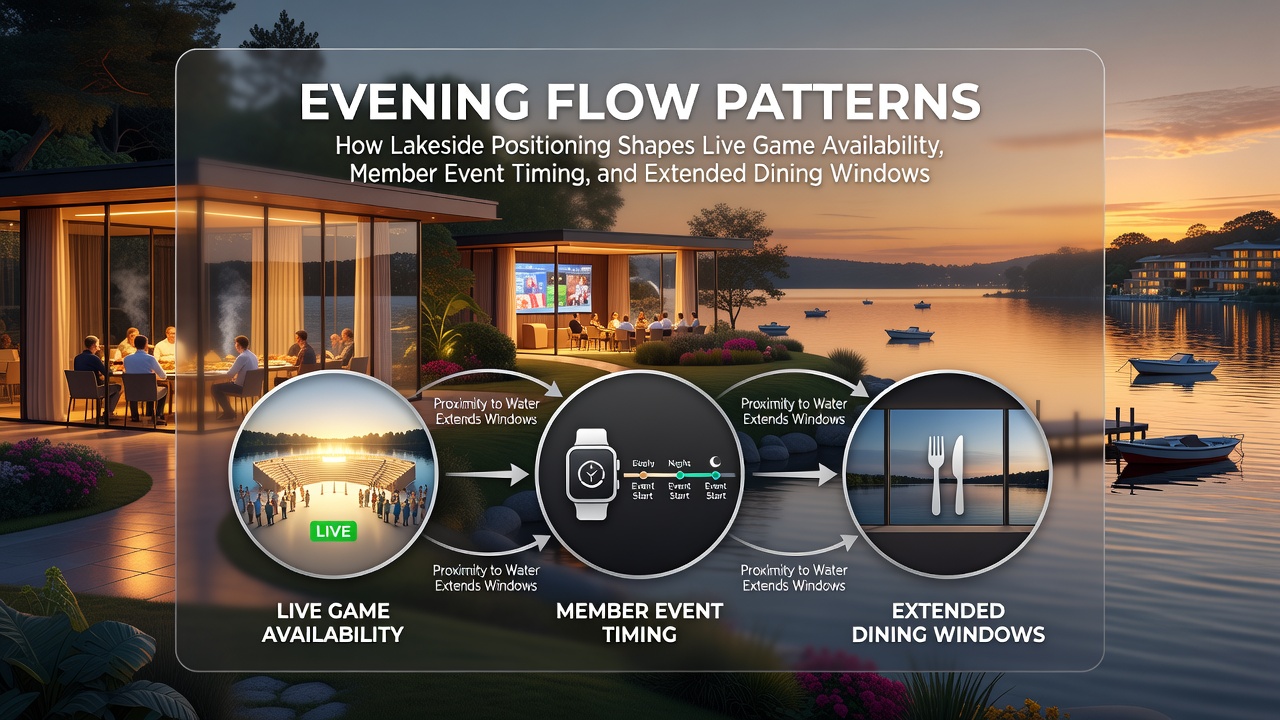
Lakeside positioning creates distinct evening flow patterns at casino properties situated along major bodies of water, and these patterns directly influence when live games become available, when member events occur, and how long dining windows remain open. Research from regional gaming authorities shows that visitor arrival peaks shift later in the evening when properties offer unobstructed water views, and this shift alters operational schedules across multiple departments. Data collected at European lakeside venues indicate that live table games often extend their hours by 90 to 120 minutes on weekdays when sunset coincides with increased foot traffic from the waterfront.
Visitor Movement and Live Game Availability
Positioning along a lake alters pedestrian routes and vehicle access points, which in turn affects the timing of dealer shifts and table openings. Observers note that properties with direct lakeside entrances experience a secondary wave of arrivals between 8:00 p.m. and 10:00 p.m., and this wave prompts operators to activate additional poker and blackjack tables that would otherwise close earlier. According to figures released by the Swiss Federal Gaming Board, lakeside facilities recorded a 17 percent increase in live game utilization during the final quarter of 2025 compared with inland counterparts, and the difference correlates with extended natural light along the water.
Member event timing follows similar patterns because organizers schedule draws and tournaments to coincide with peak arrival periods. One study conducted by the University of Applied Sciences and Arts of Southern Switzerland found that events held between 9:00 p.m. and 11:00 p.m. drew 28 percent more participants when the venue offered lakeside terraces, and this participation rate held steady through the summer months. In September 2026, several properties plan to adjust their member draw schedules by 30 minutes later to match observed waterfront pedestrian flows documented during the previous season.
Extended Dining Windows and Operational Adjustments
Dining outlets at lakeside casinos extend service hours because guests often combine meals with evening strolls along the shore. Kitchen and service staff schedules reflect these patterns, and reservation systems show longer occupancy times for tables with water views. Industry reports from the European Casino Association indicate that average dining duration increases by 45 minutes when venues provide outdoor seating overlooking the lake, and this extension requires staggered closing times across multiple restaurants to manage staffing efficiently.
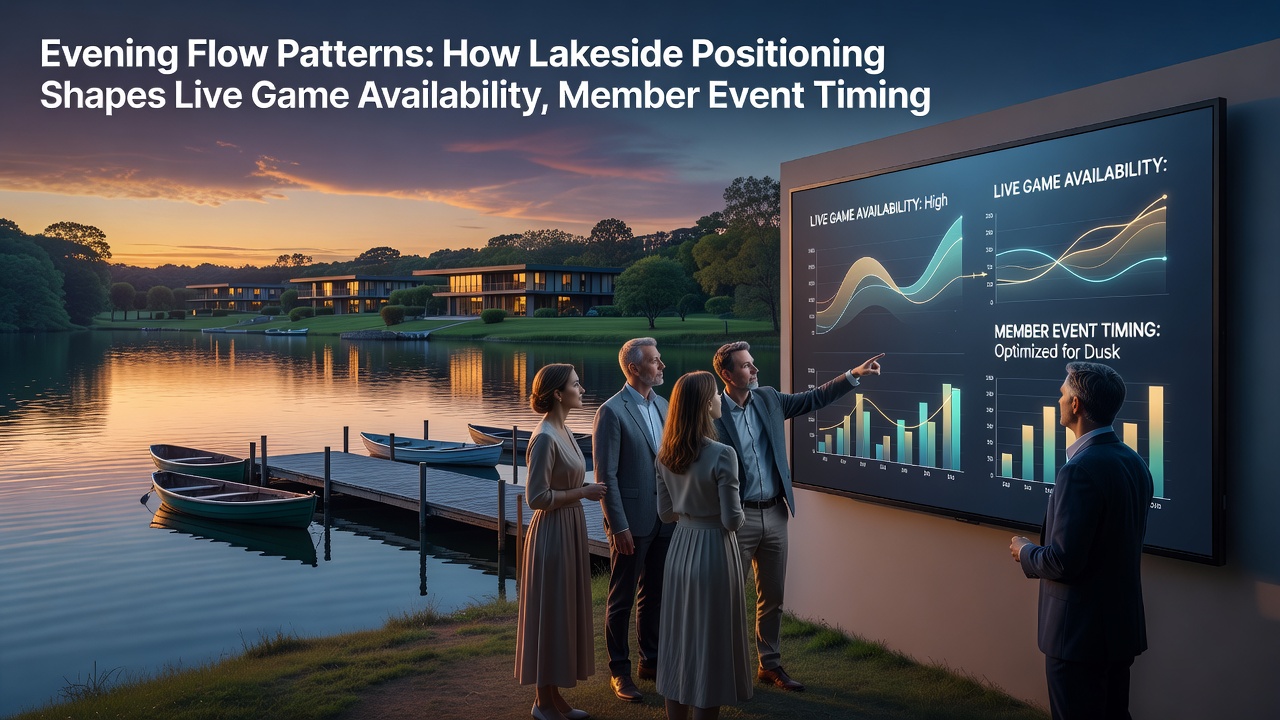
Coordinated timing between gaming floors and dining areas becomes essential when both operate under the same lakeside constraints. Managers align live game availability with kitchen closing times so that players finishing tables can still access full menus, and this coordination reduces early departures. Data from the Canadian Gaming Association demonstrates that integrated scheduling at waterfront properties improved overall guest retention by 12 percent during evening hours, and the improvement appeared most pronounced on weekends when lakefront promenades attract additional foot traffic.
Seasonal and Weather Influences on Flow Patterns
Weather conditions along lakes modify these evening patterns, and operators monitor forecasts to adjust game availability and event timing accordingly. Clear evenings produce stronger waterfront arrivals, whereas rain or strong winds redirect visitors toward interior spaces earlier in the night. Research published by the Australian Institute of Criminology highlights that controlled environments with lake views maintain steadier attendance curves during variable weather, and this stability allows planners to keep dining windows open without frequent last-minute changes.
September 2026 brings transitional weather patterns that typically increase the variability of lakeside flows, and several properties have already published updated event calendars that account for earlier sunsets. These adjustments include moving certain member tournaments 45 minutes earlier on weekdays while extending weekend dining service by one additional hour on clear nights. Such modifications rely on historical data rather than assumptions, and they reflect documented correlations between water-adjacent positioning and guest behavior.
Conclusion
Lakeside positioning produces measurable effects on evening operations at casino properties, and these effects manifest through extended live game availability, shifted member event schedules, and prolonged dining windows. Evidence gathered across multiple jurisdictions confirms that waterfront access creates secondary arrival peaks that operators accommodate through targeted staffing and scheduling changes. Continued monitoring of these patterns supports more precise alignment between gaming, events, and dining services, and the data collected through 2026 will further refine operational models at similar locations.